

Fashion is often viewed as a reflection of personality, culture, and creativity. For some, it’s an expression of individuality; for others, it’s about following trends and staying current. But beyond just looking good, fashion plays a significant role in our personal lives, social interactions, and even in the economy. In this blog, we will explore the advantages of fashion that go far beyond the surface — showing how clothing and style positively impact confidence, communication, self-expression, and even sustainability.

1. Boosts Confidence and Self-Esteem
One of the most immediate benefits of fashion is how it makes people feel about themselves. Wearing well-fitted, stylish clothes can significantly enhance a person’s self-esteem. Whether it’s a sharp business suit, a chic dress, or a comfortable casual outfit, feeling good about your appearance can directly affect your mood and performance.
When you dress well, you often carry yourself with more pride. This self-assurance can improve how others perceive you too, whether in a job interview, a date, or a public event. Fashion, in many ways, acts like a silent motivator, encouraging people to face the world with more confidence.
2. Promotes Self-Expression and Creativity
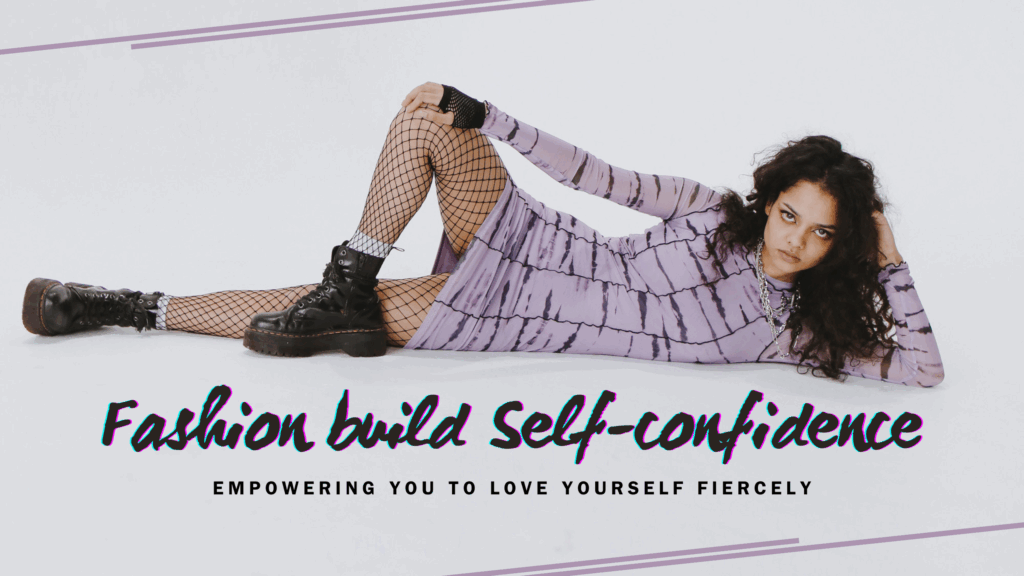
Fashion is a powerful tool for self-expression. Through clothing, accessories, and style choices, individuals can tell a story about who they are, what they believe in, and what they enjoy. You don’t need to speak a word—your outfit can speak for you.
People often use fashion to align themselves with certain cultures, social movements, or artistic styles. From punk rockers to minimalists to eco-warriors wearing sustainable brands, fashion helps define identities and personal narratives. Designers and fashion enthusiasts use clothing as a creative outlet to experiment with colors, patterns, and textures—blending art with function.
3. Supports Cultural Awareness and Diversity
Fashion allows us to explore and appreciate different cultures. Traditional clothing from around the world often carries deep historical and cultural significance. By wearing or appreciating these styles, people can connect with diverse heritages and celebrate cultural diversity.
From African prints to Indian sarees, Japanese kimonos to Scottish kilts, fashion serves as a global language. It creates opportunities for cross-cultural exchange and promotes inclusivity. In today’s interconnected world, this cultural appreciation fosters unity and respect among people of different backgrounds.
4. Influences First Impressions
As the saying goes, “First impressions matter.” Fashion plays a crucial role in how others perceive us, especially in professional and social settings. A well-dressed individual often conveys a sense of responsibility, attention to detail, and respect for the occasion or environment.
This isn’t about conforming to shallow beauty standards but rather about showing that you take pride in your presentation. In many professions, a neat and appropriate appearance can even influence hiring decisions, business negotiations, and networking opportunities.
5. Economic and Career Opportunities
The fashion industry is a major contributor to the global economy, employing millions worldwide in design, production, marketing, retail, and media. For many, fashion isn’t just a passion—it’s a career path.
Moreover, the rise of fashion influencers, bloggers, YouTubers, and online boutique owners has opened up numerous opportunities for individuals to monetize their style. Fashion provides a platform for entrepreneurship and innovation, particularly in today’s digital age where content creation and e-commerce are booming.
6. Encourages Sustainability and Conscious Living
Modern fashion is becoming more than just about trends—it’s evolving into a movement toward conscious living. Consumers are becoming increasingly aware of how their shopping habits affect the planet. This has led to the growth of sustainable fashion, where brands prioritize eco-friendly materials, ethical production, and fair labor practices.
By embracing sustainable fashion, people can express their values and contribute to a greener planet. Choosing slow fashion over fast fashion helps reduce waste, pollution, and unethical labor conditions, turning personal style into a positive force for change.
7. Provides Comfort and Functionality
While fashion often emphasizes looks, it also provides comfort and functionality. Think about sportswear, weather-resistant jackets, or medical uniforms—these garments are designed with specific purposes in mind. Fashion combines aesthetics with practicality, ensuring that people not only look good but also feel comfortable and safe in their clothes.
Whether it’s breathable fabrics for hot climates, high-performance gear for athletes, or ergonomic workwear, fashion adapts to human needs in all kinds of environments.
Conclusion
Fashion is far more than a seasonal trend or a designer label. It is a multidimensional force that empowers individuals, reflects cultures, drives economies, and promotes sustainability. Through fashion, people express who they are, connect with others, and make powerful statements—sometimes without saying a word.
At its best, fashion blends creativity with purpose. It can be a mirror to society, a means of empowerment, and a tool for change. Whether you’re a trendsetter, a minimalist, or someone who dresses purely for comfort, fashion offers something for everyone. Embrace it not just as a way to look better, but to feel better, live better, and inspire the world around you.

Written for StylishOnline – Where Fashion Meets Purpose.
Let your style speak volumes.