

Model isn’t just about having good looks or confidence on the runway—it’s also about understanding and embracing fashion. Fashion plays a crucial role in shaping a model’s journey, as it connects personal style with professional opportunities. Whether you dream of walking the ramp for top designers, posing for editorial shoots, or becoming a commercial face for brands, fashion can help pave the way.
Here are five tips on how fashion helps you become a model:
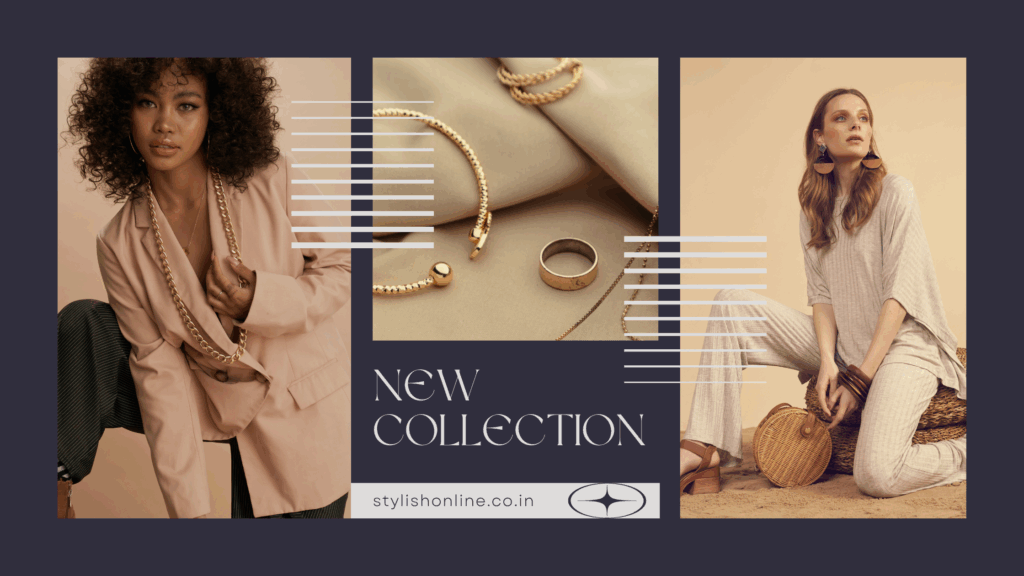
1. Fashion Teaches You to Build Your Unique Identity
Every successful model is known for something distinctive—whether it’s their walk, their poses, or their signature style. Fashion helps you experiment with different looks, textures, and trends until you discover what defines you. By playing with various fashion styles—minimalist, edgy, bohemian, or classic—you learn what makes you stand out.
- Tip: Curate your wardrobe with outfits that reflect your personality but also showcase versatility. This way, when agencies or clients see your portfolio, they know you can adapt to different campaigns.
2. Fashion Enhances Your Confidence and Stage Presence
Modeling is about selling not just clothes, but an attitude. The right fashion choices boost your confidence and give you the presence needed on the runway or in front of the camera. When you wear outfits that align with your personality and body type, you naturally feel empowered. This confidence translates into stronger poses, expressive movements, and a magnetic presence.
- Tip: Learn how to dress according to your body shape and practice wearing both casual and high-fashion outfits. Confidence in diverse clothing makes you more adaptable for different modeling opportunities.
3. Fashion Expands Your Knowledge of Trends and Industry Standards
The modeling world is deeply connected to the ever-changing fashion industry. Understanding fashion trends, fabrics, styling, and color palettes can give you an edge over others. A model who knows how to style themselves or discuss current fashion trends becomes more valuable to designers and photographers.
- Tip: Follow top designers, fashion magazines, and runway shows to stay updated. This not only sharpens your sense of style but also makes you industry-ready.
4. Fashion Helps You Build a Professional Portfolio
Your portfolio is your visual resume—it shows agencies and clients your potential. Fashion plays a huge role in curating the right images. From streetwear to couture gowns, every outfit you wear in your portfolio should highlight your versatility. Fashion also allows you to explore different personas—bold, elegant, playful, or edgy—showcasing that you can adapt to various campaigns.
- Tip: Work with stylists or photographers who understand how to bring out the best in your look with the right fashion choices. A well-rounded fashion-inspired portfolio can open more doors.
5. Fashion Connects You with the Right People in the Industry
Fashion is not just about clothes—it’s a community. Being engaged in fashion events, shows, or even social media platforms connects you with designers, photographers, makeup artists, and other models. Networking through fashion helps you learn, grow, and gain opportunities that may not come otherwise. Many top models were first noticed at fashion shows, brand campaigns, or even while experimenting with fashion online.
- Tip: Use social media as your fashion runway. Share outfits, styles, and fashion experiments to attract attention from agencies and brands. Consistency and creativity in fashion posts can lead to collaborations.
Conclusion
Fashion is more than a tool—it’s the foundation of modeling. From discovering your identity to building confidence, staying industry-relevant, creating portfolios, and networking, fashion helps you evolve into a professional model. If you want to step into the world of modeling, start with fashion—it’s where your journey begins.